Tammer has joined Sustainable Business Estonia (KELL)
KELL brings together companies that are committed to acting responsibly in order to ensure the long-term sustainability and resilience of their business, society, and the…
Read the newsPopular topics

Fire doors play a critical role in building safety. They are designed to prevent the spread of fire and smoke, protect escape routes, and give people valuable time to evacuate.
However, a fire-rated door only performs as intended when it is properly maintained and used correctly. In everyday environments, small changes or overlooked details can gradually compromise its performance.
Below are some of the most common factors that affect fire door functionality based on real situations encountered in practice.
A fire door must be able to close fully at all times.
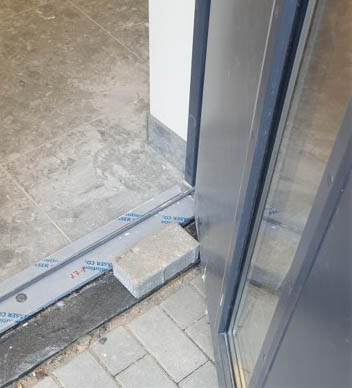
In practice, doors are often held open using wedges or other objects for convenience. While this may seem harmless, it prevents the door from performing its primary function in the event of a fire.
If there is a need to keep a door open during normal operation, certified hold-open systems should be used. These are connected to the building’s fire alarm system and will automatically release the door when an alarm is triggered, allowing it to close as intended.
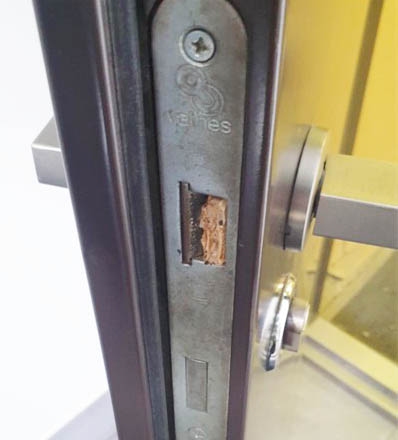
Over time, the components of a fire door (such as seals, hinges, locks, and closing devices) are subject to wear and tear.
If these elements are damaged, loose, or missing, the door may no longer meet its fire performance requirements. For example, damaged seals can allow smoke and heat to pass through, while faulty hinges or closers can prevent proper closing.
Regular inspection and timely replacement of worn components are essential to ensure continued performance.
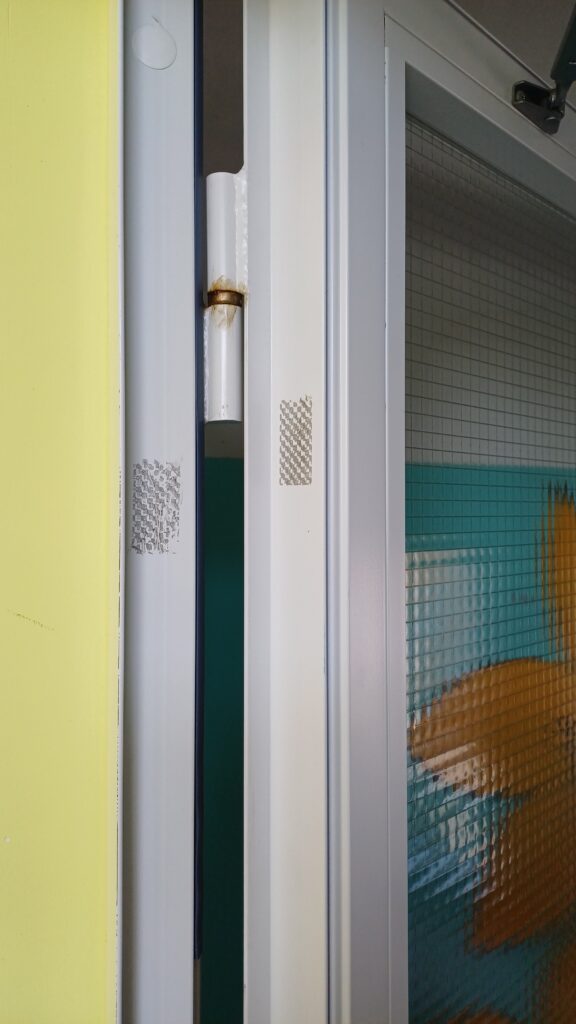
Fire doors are tested and certified as complete systems. Any changes to their construction can affect their fire resistance.
In real environments, it is not uncommon to see modifications such as:
Even small changes can significantly affect performance. For this reason, any modifications should only be carried out with the written approval of the manufacturer.
Every fire door is supplied with a label that confirms its fire rating and compliance.
If this label is missing and cannot be restored, the door may no longer be recognized as a fire-rated product even if it appears to have the correct components, such as fire seals or fire-rated glass.
The label is essential for verification during inspections and for ensuring compliance with regulations.
Surface damage to paint is a common concern, but it does not affect the fire resistance of the door.
Testing has shown that both painted and unpainted doors and windows perform equally in terms of fire resistance. While surface damage may affect appearance, it does not compromise safety performance.
Taking the time to review your doors today helps ensure safety and compliance tomorrow. Find out more about our maintenance services HERE.
For a safer world.